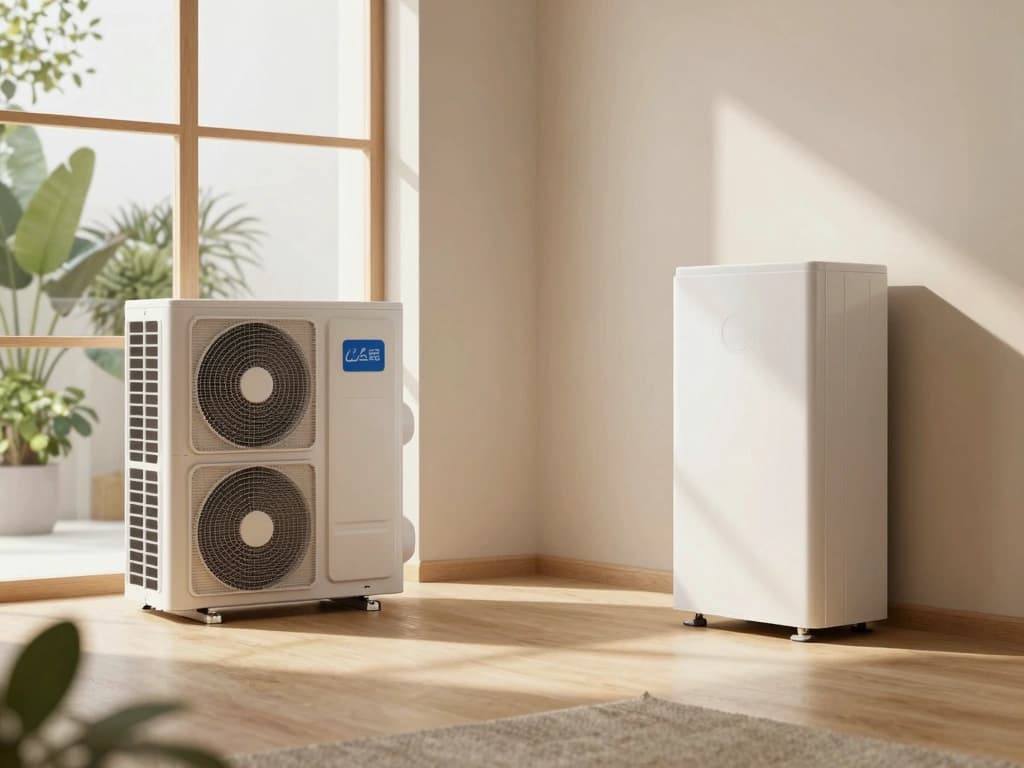
Understanding HVAC Short Cycling
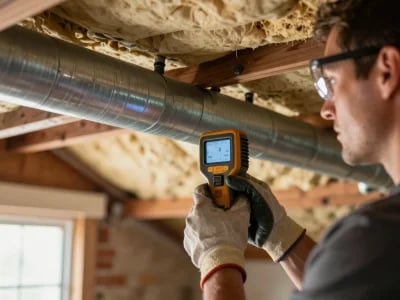
Definition and Causes of Short Cycling
Short cycling refers to the phenomenon where an HVAC (Heating, Ventilation, and Air Conditioning) system frequently turns on and off in shorter intervals than intended. This repetitive cycling can lead to inefficient operation and increased energy costs. Typically, an HVAC system should run for longer periods to effectively condition the space before shutting off.
Several factors can cause short cycling, including:
- Improper HVAC Sizing: When an HVAC system is either too large or too small for the space it serves, it can lead to short cycling. An oversized system heats or cools the area too quickly, prompting it to shut down prematurely.
- Thermostat Issues: Malfunctioning or poorly placed thermostats can inaccurately read the temperature, causing the system to turn off before the home reaches the desired comfort level.
- Clogged Filters: Dirty filters restrict airflow, causing the system to overheat and shut down as a safety measure.
- Refrigerant Problems: Insufficient refrigerant can hinder the cooling process, causing the unit to cycle on and off excessively.
Impact of Short Cycling on Home Comfort
Short cycling significantly affects home comfort levels. As the HVAC system struggles to maintain the desired temperature, homeowners may experience:
- Uneven Temperatures: Some areas of the home may feel excessively hot or cold, while others remain at a comfortable temperature.
- Increased Humidity: An HVAC system that cycles frequently may not dehumidify the air effectively, leading to a muggy indoor environment.
- Noise Issues: Frequent starts and stops can cause additional wear and tear on the system, leading to increased noise levels as components age.
Common Signs of Short Cycling in HVAC Systems
Homeowners should be vigilant for signs that their HVAC system is short cycling. These may include:
- Frequent On/Off Cycling: If the HVAC system turns on and off in short intervals, often within a 10 to 15-minute timeframe, it is a clear indication of short cycling.
- Inconsistent Temperatures: Noticing that some rooms are too hot while others are too cold can point to an improperly sized system.
- Higher Energy Bills: An increase in energy costs without a corresponding change in usage may indicate an inefficient HVAC system due to short cycling.
- System Overheating: If the HVAC unit feels excessively hot to the touch, it may be working harder than necessary to maintain temperature.
The Importance of Proper HVAC Sizing
How Sizing Affects HVAC Performance
Proper HVAC sizing is crucial for optimal performance. An HVAC system's capacity is measured in BTUs (British Thermal Units), and it must match the heating or cooling load of the home. A correctly sized system can operate efficiently, maintaining a comfortable indoor environment while avoiding short cycling.
For instance, a 2,000 square foot home typically requires an HVAC system with a capacity of approximately 36,000 to 42,000 BTUs. If the system is oversized, it may cool the house too rapidly, resulting in short cycling. Conversely, an undersized unit struggles to keep up with demand, leading to constant operation and potential burnout.
The Relationship Between Capacity and Demand
Every home has unique heating and cooling demands based on factors such as insulation, window size, and the number of occupants. Understanding this relationship is key to effective HVAC sizing. A professional HVAC technician conducts a load calculation to determine the appropriate capacity needed.
For example, if a home experiences high solar gain due to large windows, the cooling demand increases, requiring a larger system to prevent short cycling. Conversely, a well-insulated home may require less capacity to maintain comfort, thereby reducing the risk of short cycling.
Consequences of Incorrect HVAC Sizing
Incorrect HVAC sizing can lead to several negative consequences:
- Increased Energy Costs: An oversized unit can lead to higher energy bills due to frequent cycling, while an undersized unit may run continuously, also resulting in elevated costs.
- Reduced Lifespan: Systems that short cycle tend to wear out faster due to the increased frequency of on/off cycling, leading to costly repairs or replacements.
- Compromised Air Quality: Short cycling can cause inadequate filtration and air circulation, which can impact indoor air quality and comfort.
Methods for Accurate HVAC Sizing
Manual J Calculation: A Comprehensive Approach
The Manual J calculation is the industry standard for determining the heating and cooling load of a home. This comprehensive method involves evaluating various factors, including:
- Square footage of the home
- Insulation levels
- Window sizes and types
- Air infiltration rates
- Climate zone
By collecting this information, HVAC professionals can accurately size the system to meet the specific demands of the home, thereby preventing short cycling.
Using Load Calculators for Quick Assessments
For homeowners seeking a quicker estimation, online load calculators can provide a rough idea of the required HVAC capacity. While these tools are less comprehensive than a Manual J calculation, they can still offer valuable insights. Homeowners should input basic data, such as square footage and climate, to receive an estimated BTU requirement.
However, it is essential to follow up with a professional assessment to confirm the accuracy of the sizing and prevent issues like short cycling.
Factors to Consider in HVAC Sizing
Several factors play a significant role in HVAC sizing, including:
- Home Orientation: The direction the home faces can impact solar gain and cooling needs.
- Insulation Quality: Well-insulated homes retain heat and cool air, reducing the overall load on the HVAC system.
- Occupant Behavior: The number of people living in the home and their activities can affect heating and cooling demands.
- Local Climate: Homes in hotter climates will require more cooling capacity, while those in colder climates will need more heating capacity.
Preventing Short Cycling Through Correct Sizing
How Proper Sizing Reduces On/Off Cycling
When an HVAC system is correctly sized, it can run at optimal efficiency, reducing the frequency of on/off cycling. For instance, a properly sized air conditioning unit will cool the home evenly and maintain the desired temperature without shutting off prematurely. This not only enhances comfort but also extends the lifespan of the HVAC system.
For example, a 3-ton air conditioning unit may effectively cool a home of 1,800 to 2,200 square feet, running for longer cycles to maintain the temperature rather than short cycling, which can occur with a 4-ton unit in the same space.
Long-Term Benefits of Preventing Short Cycling
The long-term benefits of preventing short cycling through proper HVAC sizing are significant:
- Lower Energy Bills: A well-sized system operates efficiently, reducing energy consumption and costs over time.
- Enhanced Comfort: Consistent temperatures lead to improved comfort levels throughout the home, eliminating hot and cold spots.
- Extended Equipment Lifespan: Systems that do not short cycle experience less wear and tear, leading to fewer repairs and a longer service life.
Real-Life Case Studies of Sizing Solutions
Consider the case of a 2,500 square foot home in a temperate climate that originally had a 5-ton air conditioning unit installed. The owners noticed frequent short cycling and discomfort due to uneven temperatures. After conducting a Manual J calculation, it was determined that a 4-ton unit would suffice. After resizing, the homeowners experienced improved comfort and a noticeable decrease in energy bills.
In another example, a homeowner in a colder region faced high heating costs and frequent cycling issues with an oversized furnace. A professional reassessment revealed that a smaller, high-efficiency model would meet heating demands while preventing short cycling. The result was a comfortable home and a significant reduction in heating expenses.
Maintaining Your System for Optimal Performance
Regular Maintenance to Prevent Short Cycling
Even with the correct sizing, regular maintenance is vital to prevent short cycling. Homeowners should schedule annual HVAC inspections to ensure that all components are functioning correctly. Key maintenance tasks include:
- Changing air filters regularly to ensure proper airflow
- Cleaning coils and ducts to improve efficiency
- Checking refrigerant levels and ensuring there are no leaks
- Inspecting the thermostat for accurate readings
Signs Your HVAC Needs Reassessment or Resizing
Homeowners should be aware of signs that may indicate the need for reassessment or resizing of their HVAC system, such as:
- Frequent short cycling or inconsistent temperatures
- Sudden increases in energy bills
- Unusual noises coming from the system
- Changes in home occupancy or layout that may affect heating and cooling loads
Working with Professionals for Best Results
To ensure optimal HVAC performance, it is essential to work with qualified professionals. HVAC technicians specialize in sizing, installation, and maintenance, providing the expertise needed to prevent issues like short cycling. By collaborating with these experts, homeowners can enjoy improved comfort, lower energy bills, and a longer-lasting HVAC system.